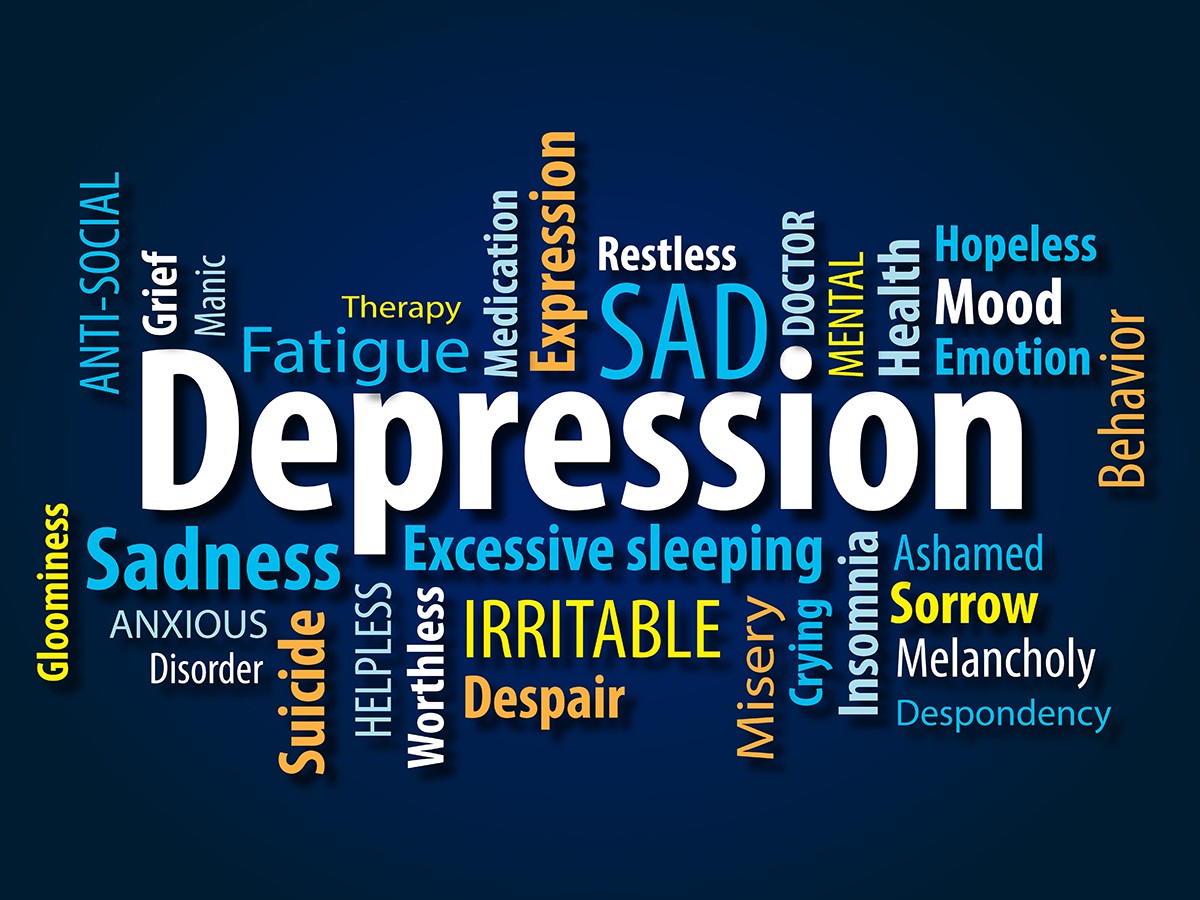
Depression is the common cold of mental disorders most people will be affected by depression in their lives either directly or indirectly, through a friend or family member. Confusion about depression is commonplace, e.g., with regard to what depression exactly is and what makes it different from just feeling down.
There is also confusion surrounding the many types of depression that people experience unipolar depression, biological depression, manic depression, seasonal affective disorder, dysthymia, etc. There have been so many terms used to describe this set of feelings we’ve all felt at one time or another in our lives, it may be difficult to understand the difference between just being blue and having clinical depression.
Depression is characterized by a number of common symptoms. These include a persistent sad, anxious, or “empty” mood, and feelings of hopelessness or pessimism that lasts nearly every day, for weeks on end. A person who is depressed also often has feelings of guilt, worthlessness, and helplessness. They no longer take interest or pleasure in hobbies and activities that were once enjoyed; this may include things like going out with friends or even sex. Insomnia, early-morning awakening, and oversleeping are all common.
Appetite and or weight loss or overeating and weight gain may be symptoms of depression in some people. Many others experience decreased energy, fatigue, and a constant feeling of being “slowed down.” Thoughts of death or suicide are not uncommon in those suffering from severe depression. Restlessness and irritability among those who have depression is common. A person who is depressed also has difficulty concentrating, remembering, and trouble making decisions. And sometimes, persistent physical symptoms that do not respond to traditional treatments such as headaches, digestive disorders, and chronic pain may be signs of a depressive illness.
 Site Title